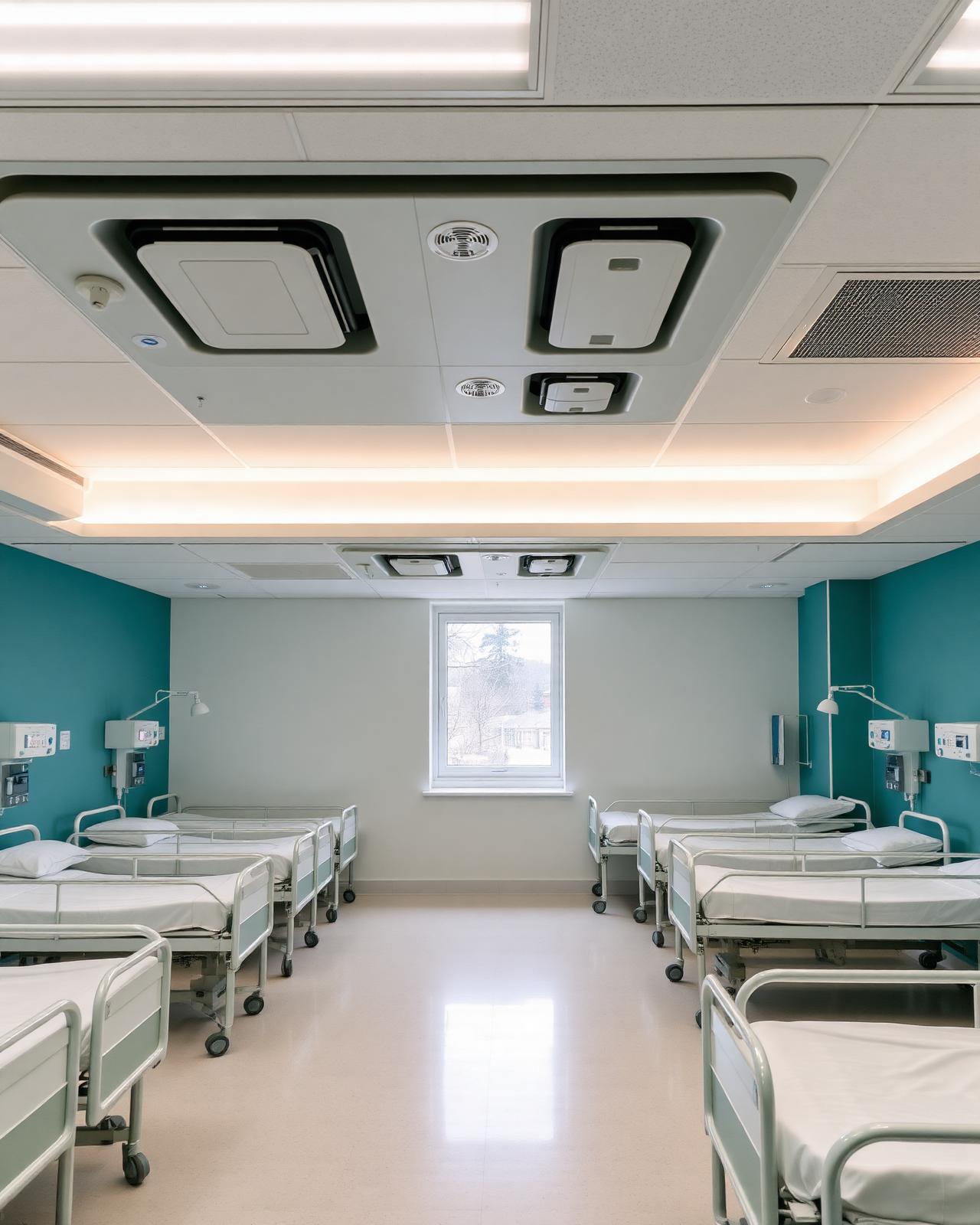
When VOC testing is appropriate
We see VOC testing most often after refurbishment or new-build commissioning, where occupants report headaches or odour, in pharmacy and laboratory environments where solvents are in use, and as part of post-incident investigations following accidental chemical release.
Methods we use
Approaches range from real-time PID sensors for screening and trend work to passive sampling with thermal desorption / GC-MS analysis for compound-specific identification. We pick the method based on the question being asked and the clinical risk profile.
Acting on VOC results
Reports identify which sources are likely contributing, whether ventilation is adequate to dilute observed loads, and what remediation or behavioural changes are appropriate. Persistent VOC issues typically lead into a wider ventilation assessment or environmental risk assessment.
Next step
Talk to a healthcare air quality specialist
Independent technical support for hospital ventilation, HTM 03-01 compliance, environmental monitoring and infection control air quality.