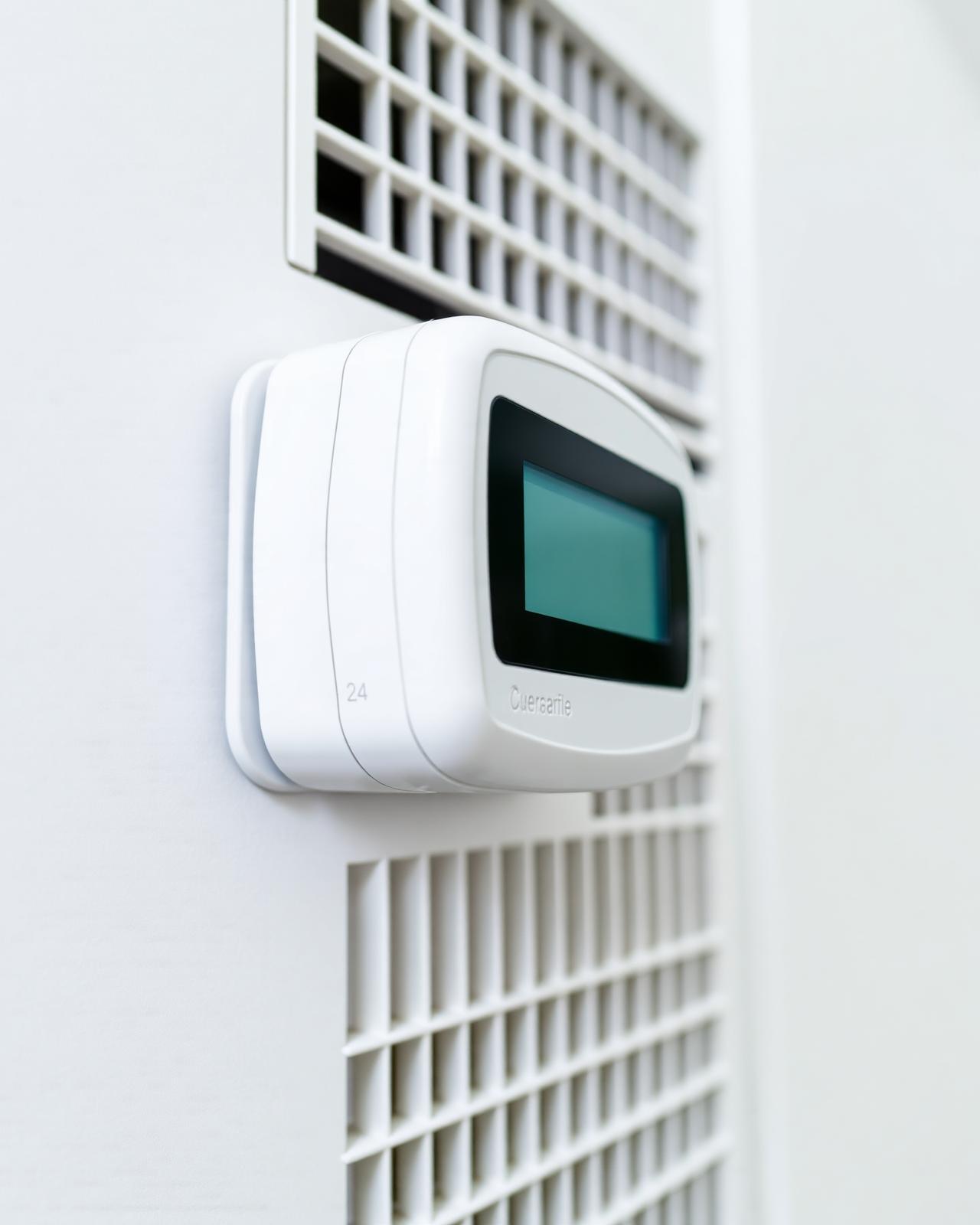
Why CO₂ matters in healthcare
Elevated CO₂ indicates that air is not being adequately replaced — and where people exhale CO₂, they also exhale respiratory aerosols. Tracking CO₂ in waiting rooms, consulting rooms, dental surgeries and patient bays is a practical way to identify rooms with infection control or comfort risks.
How we deploy CO₂ monitors
We use NDIR-grade sensors calibrated to traceable references, mounted away from windows and breath paths. Devices feed into a central dashboard with thresholds tuned to each room's clinical use. Reporting highlights persistent excursions, occupancy-linked spikes and slow drift in baseline.
Acting on CO₂ data
High CO₂ usually points to insufficient fresh air, drifted dampers or occupancy in excess of design. We use CO₂ trends to prioritise ventilation assessment, retro-commissioning and behavioural changes such as appointment spacing in clinics.
Next step
Talk to a healthcare air quality specialist
Independent technical support for hospital ventilation, HTM 03-01 compliance, environmental monitoring and infection control air quality.