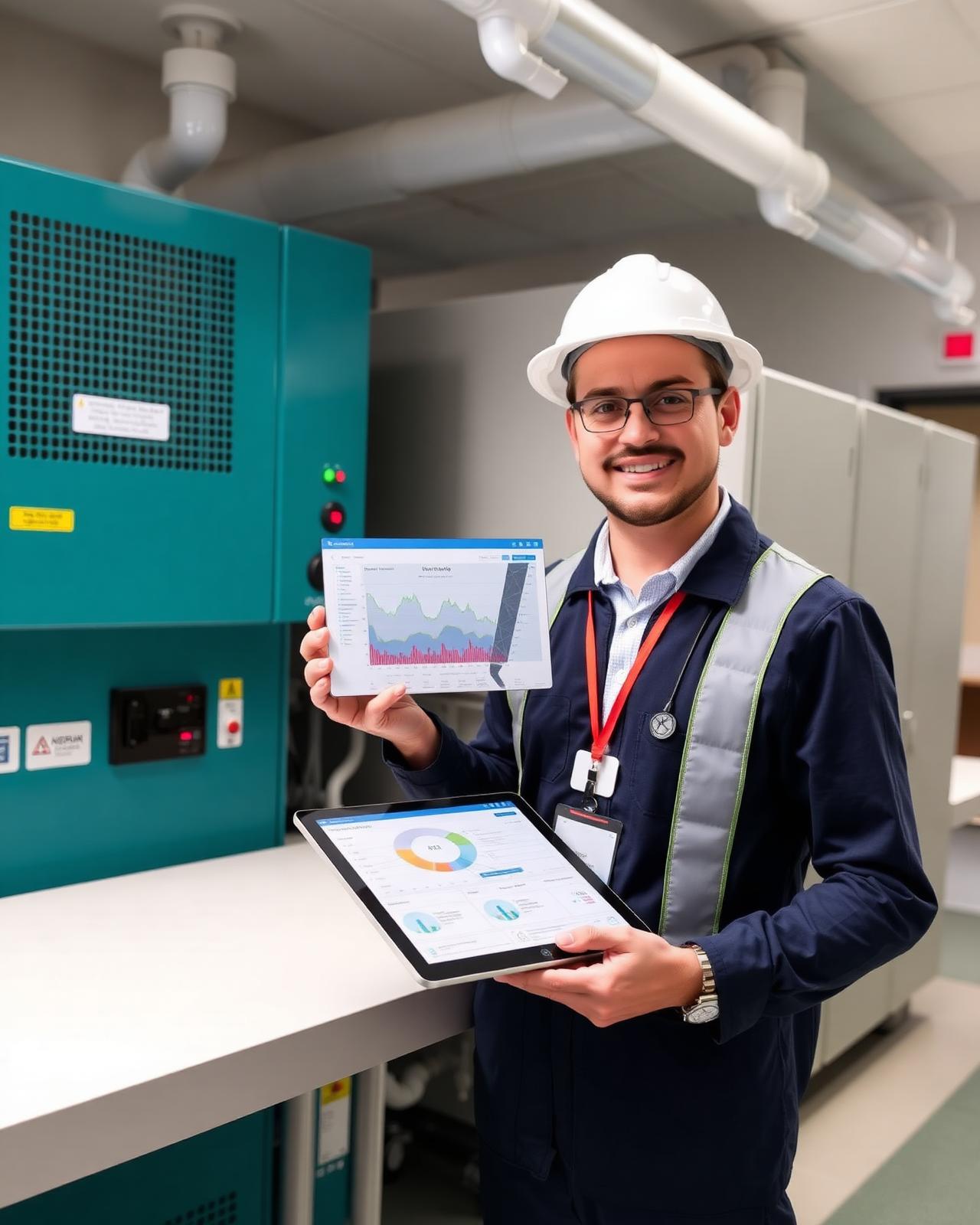
What we monitor in healthcare settings
Typical sensor coverage includes PM2.5 and PM10 particulates, CO₂, temperature, relative humidity, total VOCs and differential pressure across critical doorways. Higher-risk areas — theatres, isolation suites, neutropenic wards, cleanrooms — carry tighter alert thresholds and more frequent calibration. Data flows into a central dashboard with role-based access for estates, infection prevention and executive teams.
Why continuous monitoring matters
Spot checks tell you what conditions were at a point in time; continuous monitoring tells you whether conditions are reliable. Drift in pressure differentials, slow rises in CO₂ in heavily occupied areas or particulate spikes after building works are all routinely missed by quarterly inspections. A monitoring programme captures these patterns and triggers escalation before they affect patients or compliance.
From data to defensible evidence
We package monitoring outputs as auditable monthly reports with trend analysis, exception logs and recommended actions. The same data set supports CQC inspection evidence, HTM 03-01 verification, decarbonisation tracking and patient experience metrics. Where issues are identified, environmental monitoring feeds directly into validation testing or investigation work.
What's included
- Calibrated, reference-traceable sensors
- Particulates, CO₂, VOC, temperature, humidity, pressure
- Cloud dashboard with role-based access
- Monthly reports suitable for audit and inspection
- Alerting on threshold breaches and drift
Next step
Talk to a healthcare air quality specialist
Independent technical support for hospital ventilation, HTM 03-01 compliance, environmental monitoring and infection control air quality.