Why thermal conditions matter in healthcare
Theatres, recovery, neonatal and burns units have specific temperature and humidity targets that protect patient outcomes. General wards have wider comfort bands but still need to manage humidity to limit infection and material degradation risks. Persistent excursions outside design bands are an early indicator of HVAC drift.
How we monitor
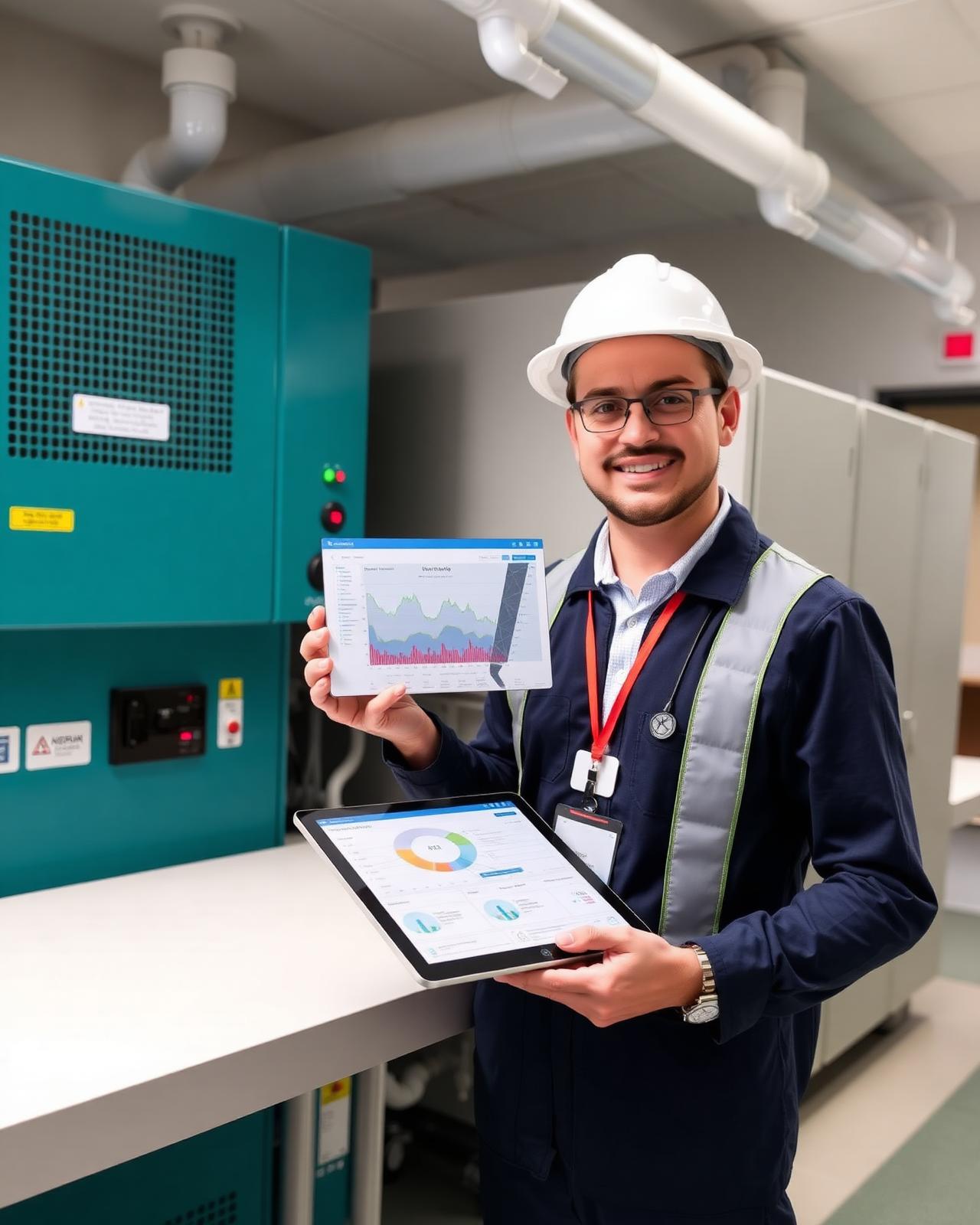
Calibrated thermistor/capacitive sensors are mounted at the patient zone, away from radiators, vents and direct sun. Data is logged continuously and surfaced in the central dashboard with alerts on time-out-of-band. Where humidification or dehumidification plant exists, we cross-reference behaviour with control performance.
Reporting and remediation
Reports identify rooms that fail to hold setpoint, equipment cycling problems, and zones where humidity moves outside the 40–60% RH band commonly used for infection control. Findings feed into HVAC and ventilation assessment work.
Next step
Talk to a healthcare air quality specialist
Independent technical support for hospital ventilation, HTM 03-01 compliance, environmental monitoring and infection control air quality.